

‘Regular health checks could support ‘healthy longevity’, focusing on eating well, staying active and preventing illness, says Prof Pierre Van Damme, University of Antwerp. Scandinavian countries are showing how it’s done – we can also look to Japan for inspiration.’
Vaccines have saved at least 154 million lives in five decades. This remarkable achievement must not be taken for granted, says Professor Pierre Van Damme. In fact, Europe should look to build on past successes when solving the modern challenge of keeping older people healthy for as long as possible.
‘This tremendous impact is largely due to childhood vaccination against measles, tetanus, pertussis and so on,’ he says. ‘Those vaccines were delivered by well-established and broadly accepted child health services. Now, we need to build structures for the adult population.’
While the COVID-19 pandemic saw the rapid rollout of a vaccine for people of all ages, and there was strong media and public attention to this programme at the time, these systems – and media attention – have fallen away. ‘Seasonal flu and COVID vaccine campaigns were barely mentioned in 2024, and vaccine uptake was low in older people and risk groups last winter,’ he says. ‘This year, there is more attention but we must maintain this level of focus on vaccines for people of all ages.’
Part of the challenge, Prof Van Damme adds, is cultural. Many Europeans still view immunisation as primarily a matter for infants, and our health systems are geared to treat illness rather than prevent it. As our populations age, a shift towards a more holistic approach is essential. This will mean training healthcare professionals to keep people healthy, not only to respond to symptoms or complaints.
For inspiration on how to do this well, where better to look than Japan – the country with the oldest population in the world. Prof Van Damme, who is also Director of Vaccinopolis, visited Japan twice this year, where he spoke with colleagues at universities in Osaka and Kyoto. He also noted that older people can often be seen exercising in public parks, signifying a commitment to healthy longevity.

‘Japan understands how to keep people out of the hospital system. They began with a mindset shift,’ he says. ‘Japanese authorities invest in keeping people healthy by promoting good food, fitness and immunisation. It’s a more holistic approach to wellbeing.’
Japan has also invested in reforming medical education to emphasise prevention for all, whereas many European countries remain fixated on supporting people when they are sick or if they are at higher risk of ill-health. Prof Van Damme cites the example of a European country which offers the pneumococcal vaccine to smokers but not to healthy people. ‘Of course, smokers are at higher risk, but we need to change our messaging; we need to ask What can we do to keep people healthy?’

This is the logic that applies to routine infant health checks at which babies’ general wellbeing is assessed. Those childhood check-ups can include hearing tests, weight measurement, speech development and immunisations.
‘We need easy-to-access clinics for adults,’ Prof Van Damme says, a kind of well-adult clinic! ‘This could be provided by GPs, but also by pharmacists, nurses, physiotherapists and others in primary care. They could review foot habits, fitness, activity levels and preventative health.’
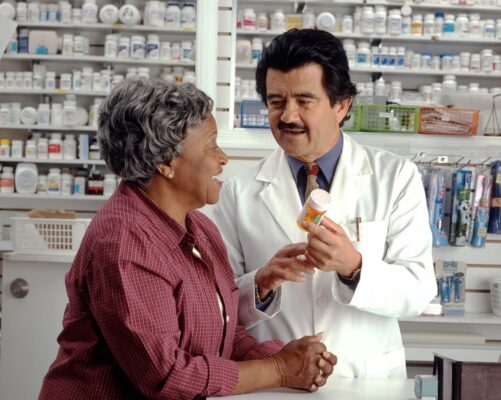
Instead of going to the doctor only when there is a problem, people should receive a notification when they are, for example, fifty years old, saying it’s time for their check-up. This offers opportunities to deliver recommended vaccines at various points over the life-course – an approach that has already helped increase adult vaccination rates in Portugal and Scandinavian countries.
Restructuring medical education and health systems will take time and effort, but can pay dividends. Politicians and decision-makers should view it as a necessary investment. ‘Our population is getting older every year,’ he notes. ‘We know this makes the immune system more vulnerable – and we know older people have more co-morbidities – so we have got to change our approach.’

Normalising preventive health would protect individuals and health systems. Today, most European countries are falling short of the target to vaccinate 75% of people aged older than 65 years. This has less to do with confidence in vaccines than with complacency and access. ‘This age group is traveling more than their parents did that their age, and they rarely hesitate to have travel vaccines,’ Prof Van Damme notes. ‘Life is just a journey and you want to stay healthy as you travel through the year – not just for the three weeks of your holiday.’
As Europe’s population ages, protecting older people against vaccine-preventable diseases – and keeping them generally healthy by encouraging healthy lifestyles – will be crucial. Adapting health systems to suit the needs of the population is an essential first step.
Read more
Misinformation: Supporting digital literacy among older people
Older people should not be excluded from discussion on health misinformation, according to Prof Pierre Van Damme, Professor Emeritus at Antwerp University. In fact, while ‘digital natives’ are increasingly sophisticated in how they interpret online information, older generations are ill-equipped to determine what information they should trust. They are, however, using the Internet, social media and messaging apps in growing numbers.
‘Adults are exposed to misinformation and have no system to validate what they see online,’ he says. ‘They don’t know what to trust and this is feeding into vaccine hesitancy.’
Prof Van Damme calls for proactive systems that will support older people in navigating the online information. He cites the example of a publication that went viral online after making unfounded claims about the safety of COVID-19 vaccines. Experts, including Prof Van Damme, wrote a rebuttal explaining the flaws in the paper and offering evidence-based reassurance to readers – but their response will not be published for two months, which is too slow.

‘If we really want to be proactive, we need to rethink how we train healthcare providers. They remain the most trusted source of information,’ he says. ‘A good training package would prepare GPs, nurses and others to answer questions that adults have about vaccination. This is part of the holistic approach we need, alongside health literacy, access to vaccination, reimbursement of vaccines and reminder systems.’
Read more
RELATED STORIES
Vaccine conversations: a new way to tackle misinformation
October 16, 2025
Vaccine information: AI may be more accurate than search engines
July 24, 2025
link