
Here are three important health developments you need to know to start your week.
CLEVELAND — From new research linking dental care to brain health, to changes in how public health information reaches the public, to updated safety advice for parents, here’s what you need to know in Monday’s Daily Dose of Health News with Monica Robins.
New publication to provide public health alerts
The Center for Infectious Disease Research and Policy at the University of Minnesota and NEJM Evidence are launching Public Health Alerts, a new free publication to share urgent information about disease outbreaks and public health issues.
The publication, expected to launch within a month, comes as the CDC’s Morbidity and Mortality Weekly Report has experienced significant disruptions. MMWR didn’t publish on schedule for the first time in its 60-year history in January, and publication volume dropped from about 76 articles per month to 35.
The slowdown was caused by staff layoffs, increased workload for remaining staff, and a new approval process requiring clearance from the HHS secretary’s office. Nearly the entire MMWR staff was laid off last week, though positions were reportedly restored shortly after.
Public Health Alerts will be published as needed rather than on a weekly schedule and will be freely accessible.
CIDRAP has also created the Vaccine Integrity Project to help assess evidence for vaccine recommendations, work traditionally handled by the CDC. Major health organizations now consult with the project for their vaccine guidance.
Gum disease linked to stroke risk and brain changes
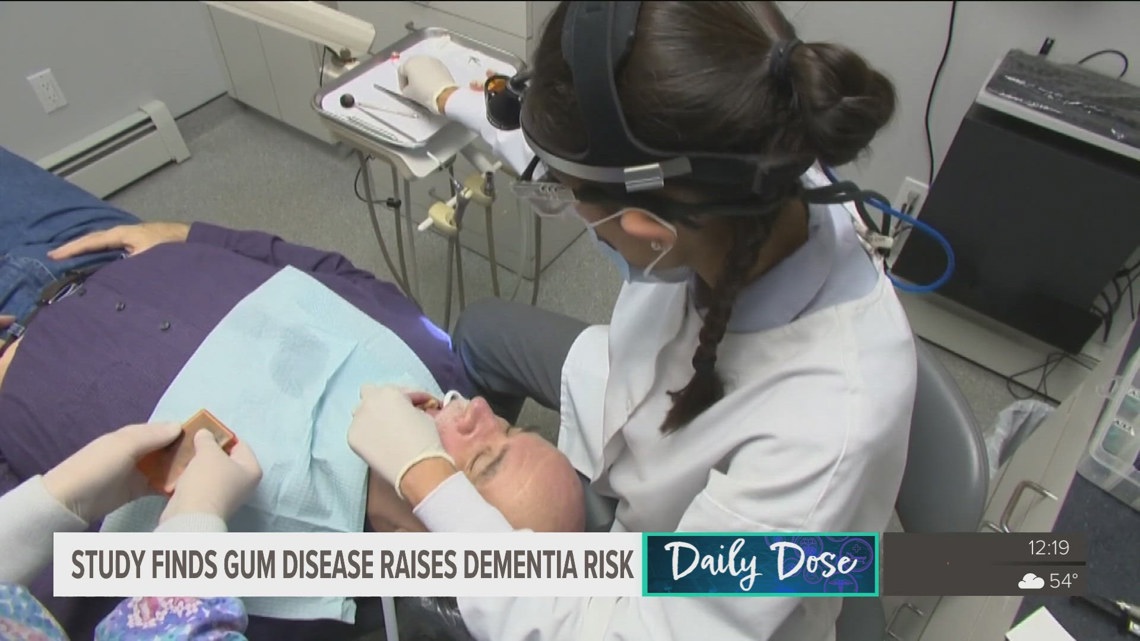
Taking care of your teeth may help protect your brain and reduce stroke risk, according to new research from the Atherosclerosis Risk in Communities study.
Scientists studied more than 1,100 people and found those with gum disease were 56% more likely to have white matter hyperintensities—small areas of brain damage visible on scans that indicate cerebrovascular disease.
A larger study of nearly 6,000 people tracked over 21 years showed stroke rates increased with poor oral health. People with healthy mouths had a 4% stroke rate, those with gum disease had a 7% rate, and those with both gum disease and cavities had a 10% rate.
The combination of gum disease and cavities was associated with an 86% increased stroke risk and a 36% increased risk of major cardiovascular events.
White matter hyperintensities are linked to increased risk of dementia, mortality, and various functional problems. Regular dental care was associated with significantly lower odds of developing gum disease, suggesting routine brushing, flossing, and dental visits could protect both oral and brain health.
Researchers believe inflammation from gum disease can spread throughout the body, potentially affecting blood vessels and brain tissue.
Teaching kids about ‘tricky people’ instead of ‘stranger danger’
Cleveland Clinic Child safety experts recommend teaching children to recognize tricky people based on behaviors rather than whether they know someone.
Statistics show 76% of child abuse is committed by a parent, and only 1% of abductions involve strangers, according to government reports. The real danger often comes from people children already know and trust.
Children should recognize warning behaviors. Tricky people might ask them to keep secrets from parents, offer bribes, ask kids for help with tasks, force unwanted physical contact, claim parents sent them without knowing a family password, ask personal questions online, or make threats.
Parents should create a family password that anyone picking up their child must know. Children should learn three safety steps: say no, get away, and tell a safe adult. Parents can practice scenarios through role-play and teach children to trust their gut feelings.
Safety should be prioritized over politeness, and children should know it’s acceptable to be rude if someone makes them uncomfortable. Parents should emphasize that they will always listen and believe their children.
This approach can start at age 3 and should be an ongoing conversation that builds confidence without creating fear.
link