
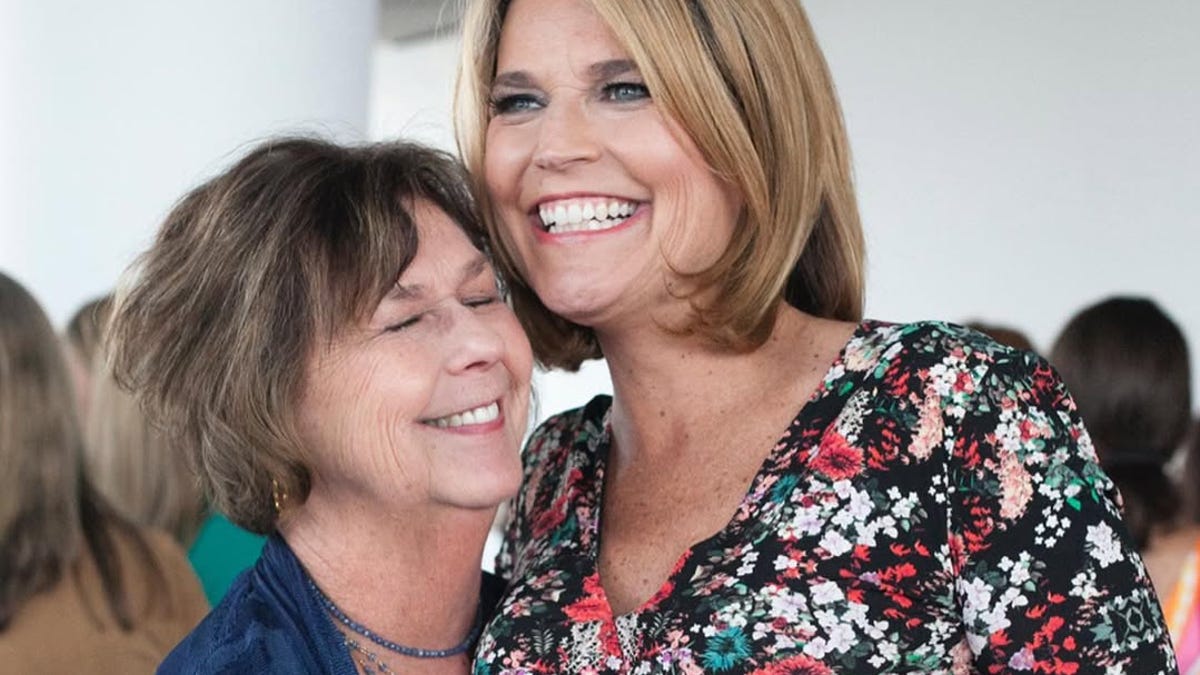
Nancy Guthrie’s kidnapping highlights the challenges families face when elderly loved ones live alone.
The kidnapping of “Today” anchor Savannah Guthrie’s mother is sending shockwaves through the nation. The family is holding out hope for her safe return, while raising concerns for people about the safety of their own elderly loved ones living alone.
The search for Nancy Guthrie, 84, has just surpassed its 10th day, with authorities releasing images and videos of a masked and “armed” individual appearing to tamper with Guthrie’s Nest doorbell cameras the morning she was taken.
The 84-year-old was last seen Jan. 31 when family members dropped her off at her home in Tucson, Arizona, after a game night. After she failed to show up for church the next morning, her family went to her house to check on her. When they couldn’t find her, they reported her missing.
In the search for their mother, the NBC anchor and her siblings have issued emotional public statements asking for her safety and to bring her back home. They’ve offered to pay unverified ransom notes sent to media outlets, stressing their mother’s need for her daily heart medication.
“We will not rest,” Guthrie said to her mother on Feb. 4 in an Instagram video. “Your children will not rest until we are together again.”
Guthrie’s situation is frightening and rare, but it sheds light on the safety concerns of our elderly loved ones, especially for family members who don’t live with or near them. In the United States, 27% of adults 60 or older live alone, higher than in other parts of the world, according to 2020 Pew Research Center data.
From accidents such as falling to developing Alzheimer’s disease, seniors who live alone can face challenges, and many of their family members want to do their best in keeping them as safe as possible – even from far away.
“As our population ages and cognitive difficulties become more common, these sorts of issues come to the forefront. Sadly, I think this is not something that is as isolated as it used to be,” said Dr. Jacob Blumenthal, a physician specializing in geriatrics and associate professor at the University of Maryland School of Medicine. “Being attentive, remaining mindful and planning ahead like a good Boy Scout is the best defense.”
With the right tools and vigilance, people can set up effective systems to protect their aging loved ones.
What went wrong with the safety measures already in place?
Nancy Guthrie’s home was safeguarded by a Nest doorbell camera, a common security option for many Americans. According to authorities, her camera was disconnected at 1:47 a.m. the morning she went missing. At 2:12 a.m., smart home software detected someone on the camera. At first, video footage of the potential suspect wasn’t available under Guthrie’s subscription plan, but it was recovered by authorities and private-sector partners.
These types of security cameras help many people feel their homes are safer and can strengthen a broader security system, especially for seniors who live alone. While cameras may record or alert if a door or window is opened, they won’t prevent someone with dementia from wandering away from the house.
A multifaceted system of smart home technology, including not only cameras but also smart sensors that lock doors, windows or drawers via a phone app, can offer greater safety benefits, according to Emily Nabors, associate director of innovation at the National Council on Aging, or NCOA. A long-distance caregiver could hook their phone to the sensors and be alerted to open doors, or can actively lock one from another location.
What does it really mean to keep our elders safe?
Elder safety encompasses many aspects of welfare beyond just good health. This includes medications, risk of falling, mobility, vision and balance.
Then there’s mental health, plus the importance of social connection and the ability to do things they enjoy with loved ones or participate in their community. Loneliness and isolation have been linked to heart disease, dementia and other medical conditions.
Safety and security also play a role, from a home free of hazards to AI phone scams that are becoming more prevalent among older generations.
As families evaluate their elderly relatives’ needs and risks, they should keep in mind that letting their senior maintain their autonomy can also make a big difference in their well-being. “It’s important to balance risk with independence,” Nabors added. Allowing people to keep doing some tasks on their own, like brushing their teeth, is critical for keeping their sense of self in the world.
How can families assess an elderly parent’s level of risk?
Family members should watch for warning signs of common medical conditions in aging adults, such as dementia. “Generally, we think of more routine things, like maybe they’re burning themselves, or they are not paying their checks, and getting confused about things, little things are coming up, maybe not meeting their friends,” said Katherine Ornstein, professor in the School of Nursing at Johns Hopkins and director for the Center for Equity in Aging.
Their type of home situation also plays a role in an elderly person’s safety risk. “The other issue that’s relevant to the Nancy Guthrie situation, which I’ve been thinking about, is just older adults living alone – and that is a huge issue, that’s not uncommon,” Ornstein continued.
When an older person lives alone, it can be difficult for families to assess their risk because they don’t see them on a daily basis. Divvying up regular visits and check-ins among family members means someone is always observing and with them, while providing much-needed social connection.
NCOA offers home safety checklists for families to assess whether their loved ones’ environment is set up to support them, such as removing other hazards.
An occupational therapist can also be helpful by evaluating how they interact with their home and make recommendations, such as a shower bench if they’re struggling to bathe.
What low-tech solutions are most effective for seniors living alone?
It depends on their needs, which can change over time, but here are some suggestions from experts on elderly care:
- Medical alert devices such as Life Alert help seniors get emergency assistance even if no one is around or they can’t reach out for help by phone, according to Ornstein.
- If someone with dementia tends to wander off, Blumenthal recommends posting simple signs around the house reminding them not to exit the house or including a phone number for a trusted family member. These can “cue” the senior before they leave.
- ID bracelets are useful in identifying someone if they do manage to wander out of their home, and smartphones also have location-tracking that loved ones can be connected to.
- Easy home modifications such as nightlights, grab bars and anti-slip mats in the shower can reduce the risk of injury.
- Senior-focused programs like Meals on Wheels provide food, social interaction and check-ins on elders who live alone.
How do you set up safety systems if your parent lives in another state?
It can be nerve-racking to be a long-distance caregiver, but technology allows people to stay connected from miles away. It’s about finding what works for your family.
Caregivers can monitor their loved ones with indoor cameras, provided there are discussions about any privacy issues. These cameras also often have speakers and microphones so families can communicate with each other in real time if they see something.
Alarms for doors and windows, smart locks or wearables that detect movement are other options that boost safety and can connect to the caregiver’s smartphones.
In some cases, enlisting a trusted neighbor or doctor into an emergency plan is helpful, but it’s “very personal and individualized,” according to Blumenthal.
Continued conversations and having loved ones work together are the key to supporting their senior. “You want to protect them, but you also want to respect their independence and it is a delicate balance,” he said.
link