
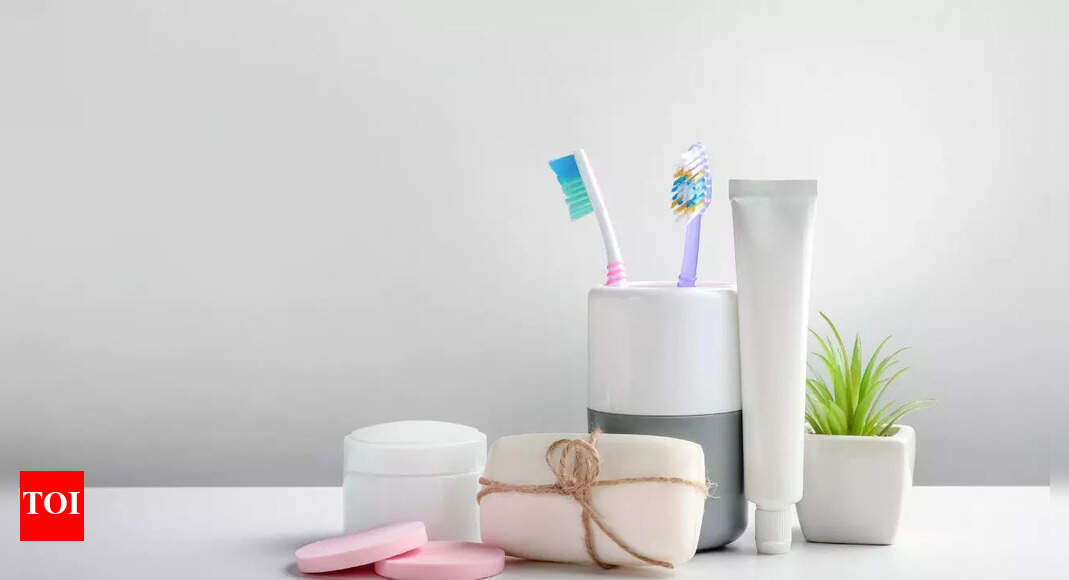

Brushing, flossing, and visiting the dentist regularly are essential for maintaining healthy teeth, but new research shows an unexpected downside: our everyday oral care is contributing to the global microplastic problem. Toothpaste, dental floss, and toothbrushes release tiny plastic particles that enter wastewater systems and eventually reach rivers, oceans, and the food chain. Even though plastic microbeads in toothpaste have been banned in many countries, studies reveal that modern toothpastes can still contain microscopic plastic fragments. Similarly, nylon or Teflon dental floss sheds fibers, and toothbrush bristles break off during routine brushing. Over time, these particles accumulate in the environment, affecting ecosystems and raising potential human health concerns.
How plastic dental fillings and appliances add to pollution
Dental innovations have replaced mercury amalgam fillings with resin-based composite (white plastic) fillings, driven by patient safety and the UN Minamata Convention guidelines on mercury. However, these plastic alternatives are not without environmental cost. A 2022 study in the British Dental Journal found that composite fillings can release tiny resin particles and chemical monomers into saliva and wastewater. Routine dental procedures, like drilling or polishing, create microscopic plastic dust, essentially microplastics that can spread through water systems and leach harmful chemicals into the environment. Acrylic dentures, mouthguards, clear aligners, and retainers also contribute to the problem, shedding tiny plastic fragments through wear and cleaning over time.
The health implications of microplastics in dentistry
The presence of microplastics from dental products raises serious health concerns. Many resin-based fillings contain bisphenol A (BPA), a chemical known to mimic hormones and interfere with the endocrine system. A 2024 study detected microplastics embedded in arterial plaque, linking them to higher risks of heart attacks and strokes. Other research suggests ingested microplastics may disrupt gut microbiota, trigger inflammation, and carry toxic compounds into the bloodstream. While research on the full health impact is ongoing, these findings highlight the urgent need for consumer awareness and innovation in dental materials to reduce exposure to microplastics.
How consumers and dentists can reduce plastic exposure
Tackling the plastic problem in dentistry requires both industry and consumer action. Manufacturers are developing toothpastes with natural abrasives, like silica or clay, instead of plastic microbeads. Over 15 countries have already banned microbeads in personal care products. Dental clinics are also testing solutions like activated carbon filters to capture resin dust before it reaches wastewater.Consumers can make a tangible difference by choosing bamboo or natural-bristle toothbrushes, plastic-free dental floss, and toothpaste tablets or powders in sustainable packaging. For orthodontics, traditional metal braces are effective alternatives to plastic aligners or retainers. Even small choices, like rinsing orthodontic appliances less aggressively or cleaning dentures carefully, can reduce plastic shedding.Dental plastics have undeniably improved oral care, offering safer, easier, and more aesthetic treatments. Yet their hidden environmental footprint and potential health risks underscore the importance of informed, conscious choices. With microplastics now detected from oceans to the human bloodstream, even our mouths are not free from this invisible contamination. Adopting sustainable dental products and practices is a crucial step toward protecting both our smiles and the planet.Disclaimer: This article is for general informational purposes only and is not a substitute for professional medical advice, diagnosis, or treatment. Always seek the guidance of a qualified healthcare provider regarding any medical condition or lifestyle change.Also Read: Brain aneurysm symptoms, causes, and risks: What you need to know to protect your brain
link